How to Choose the Right Pro/Am Events for Your Level
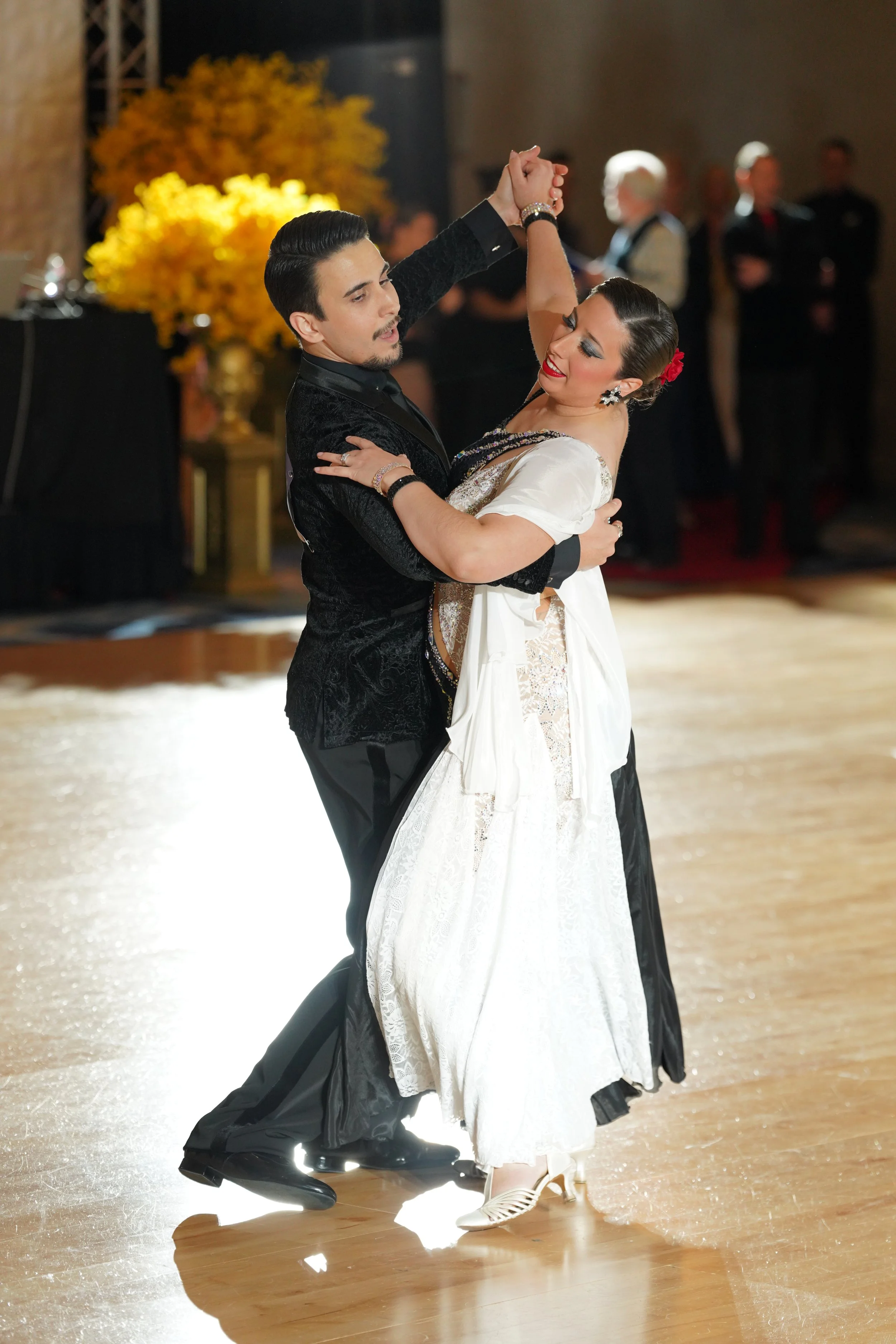
Image credit: Dance Production House
One of the most common questions we hear from Pro/Am students preparing for Commonwealth Classic is: "How do I know which events to enter?" It's a great question—and an important one. Choosing the right events can make the difference between a confident, enjoyable competition experience and feeling overwhelmed or underprepared.
Whether this is your first competition or your tenth, this guide will help you and your coach build a smart heat sheet that challenges you appropriately, fits your budget, and sets you up for success.
Understanding Proficiency Levels
Before we talk about choosing events, let's clarify what the different proficiency levels mean. In Pro/Am ballroom competition, dancers progress through a series of levels that correspond to their technical development and experience:
Newcomer
What it means: You're brand new to competitive ballroom. You might have been taking lessons for a few months or even a year, but competition is new territory.
What you'll dance: Basic steps only—typically closed position work with minimal turns or advanced patterns. Think fundamental box steps in Waltz, basic Cha Cha timing, simple Swing patterns.
What to expect: Newcomer is designed to be accessible and confidence-building. You'll compete against others who are also finding their feet (literally!).
Bronze
What it means: You've mastered the basics and are ready for more complex patterns. You might have competed at Newcomer level or simply trained long enough to move beyond fundamentals.
What you'll dance: Bronze syllabus includes more varied footwork, some turns and spins, and the beginning of styling. You're building vocabulary in each dance.
What to expect: This is often where students spend the most time, gradually adding more dances and refining technique before moving up.
Silver
What it means: You're an intermediate dancer with solid technical foundation. You understand musicality, frame, and the character of each dance.
What you'll dance: Silver syllabus introduces more complex patterns, faster footwork, multiple rotations, and greater attention to performance quality.
What to expect: Silver is a big step up from Bronze. You'll need consistent practice and strong fundamentals to feel comfortable at this level.
Gold
What it means: You're an advanced Pro/Am student. Your technique is refined, your musicality is strong, and you're capable of sophisticated choreography.
What you'll dance: Everything in the syllabus is available to you, including advanced patterns, complex rhythms, and show-stopping moments.
What to expect: Gold level students often train multiple times per week and may have been dancing for years. Competition is serious business, but also incredibly rewarding.
Open
What it means: The gloves are off. Open level has no restrictions on choreography—you can dance anything your coach creates for you.
What you'll dance: Fully customized routines that might include unique patterns, innovative styling, and performance elements beyond traditional syllabus.
What to expect: This is where Pro/Am students who've been dancing for many years showcase their highest level of artistry and partnership.
How to Choose Your Level: Honest Self-Assessment
Here's where many students struggle. It's tempting to want to "level up" quickly, but choosing the right level isn't about ego—it's about setting yourself up to dance your best.
Signs You're Ready to Move Up
You can execute your current level's patterns consistently and confidently
Your coach suggests it's time and you trust their judgment
You've placed well at your current level multiple times
You're bored or unchallenged by the choreography
You can maintain good technique even when nervous or tired
Signs You Should Stay at Your Current Level
You still struggle with basic patterns in your current level
Nerves cause you to forget choreography or lose technique
You're still working on fundamental skills like frame, posture, or timing
This is your first or second competition
You want to build confidence before increasing difficulty
Pro tip: There's zero shame in staying at a level longer than you think you "should." Mastery at Bronze is far more impressive than struggling through Silver. Judges notice confidence and clean execution—level matters less than quality.
Building Your Heat Sheet: Strategic Event Selection
Now comes the fun part: deciding which dances and how many heats to enter. This is where strategy, budget, and personal goals intersect.
Start with Your Strongest Dances
If you're newer to competition, begin with the dances where you feel most confident. Success builds confidence, and confidence improves performance. There's wisdom in starting strong.
Maybe your Waltz is gorgeous but your Cha Cha is still rough. It's okay to enter Waltz and skip Cha Cha until you've had more time to refine it. Competition isn't about doing everything—it's about showcasing what you do well.
Consider Single Dance vs. Multi-Dance Events
You'll see options like:
Single dance heats (just Waltz, just Rumba, etc.)
2-Dance heats (Waltz & Foxtrot)
3-Dance heats (Waltz, Tango, Foxtrot)
4-Dance heats (full Smooth or Rhythm division)
Single dance heats are ideal when:
You're focusing on mastering specific dances
You want to compete in dances from different styles (some Rhythm, some Smooth)
You're managing budget carefully
You want to space out your floor time throughout the day
Multi-dance heats are ideal when:
You're confident in all dances within a style
You want the experience of dancing multiple dances back-to-back (good performance training)
You want better value per dance (multi-dance heats cost less per dance than singles)
You enjoy the flow of transitioning between dances
Age and Scholarship Divisions
Many competitions, including Commonwealth Classic, offer age-based divisions (often starting at 35+, then 45+, 55+, etc.) and scholarship levels for students who want a less crowded, more focused competition experience.
Age divisions let you compete against others in your age bracket—a nice option if you're a newer dancer who started later in life.
Scholarship divisions are typically more expensive but offer smaller heats (fewer couples on the floor) and often better prizes. They're popular with serious Pro/Am students who want the premium competition experience.
The Beginner's Sweet Spot: 3-6 Dances
If this is your first competition, we typically recommend entering 3-6 total dances. This gives you:
Enough floor time to settle in after the initial nerves
Variety in your competition experience
Manageable preparation timeline
Reasonable budget
You might structure it like: Waltz, Foxtrot, and Rumba (covering both Smooth and Rhythm), or go deeper into one style with 4-5 dances all in Rhythm or all in Smooth.
The Intermediate Sweet Spot: 8-12 Dances
Once you've done a few competitions and know what to expect, many students expand to 8-12 dances. You might enter full divisions (all 4-5 dances in Rhythm and Smooth), add Nightclub dances, or start competing at two different levels to work on progression.
The Competitive Sweet Spot: 15+ Dances
Serious Pro/Am students often enter 15-20+ dances, sometimes competing in multiple levels, multiple age divisions, and showcase events. These are dancers who've made competition a central part of their dance journey.
Important: More dances doesn't mean better. Quality always trumps quantity. Dance fewer heats brilliantly rather than many heats exhaustedly.
Budget Considerations: Making Competition Accessible
Let's talk about the elephant in the room: Pro/Am competition isn't cheap. Between entry fees, coaching fees, costumes, travel, and accommodations, it adds up. Here's how to approach budgeting strategically:
Understanding the Costs
Per-heat entry fees typically range from $30-60 per dance, depending on the competition and division type. Scholarship and championship divisions cost more than standard heats.
Your coach's competition fee covers their time partnering you. This varies by studio and by how many dances you're doing. Discuss this with your coach upfront.
Travel and hotel for both you and your coach (if they're traveling to compete with you).
Competition costumes, shoes, hair, makeup, and accessories.
Budget-Friendly Strategies
Start small. Enter fewer dances your first competition. You can always add more next time.
Focus on one style initially. Competing only in Rhythm or only in Smooth reduces costume needs and lets you go deeper into fewer dances.
Choose standard heats over scholarship. Standard heats offer the same competition experience at a lower price point.
Share travel costs. If your studio has multiple students competing, coordinate travel and share accommodations.
Plan ahead. Early registration often comes with discounts, and planning ahead gives you time to budget monthly rather than facing a big lump sum.
Communicate with your coach. A good coach will work with you to create a competition plan that fits your budget. They want you to compete sustainably, not burn out financially.
What's Worth the Investment
While budget matters, some things are worth prioritizing:
Quality coaching time. Well-prepared routines make all the difference in how you feel on the floor.
Proper shoes. Dance shoes are not the place to cut corners. Good shoes improve your dancing and prevent injury.
At least one "signature" costume. You don't need a dozen dresses, but having one costume that makes you feel amazing boosts your confidence significantly.
When to Move Up a Level
This is one of the trickiest decisions in Pro/Am competition. Move up too soon and you'll struggle. Wait too long and you'll stagnate. Here's how to know when it's time:
The Readiness Checklist
✓ You're placing well at your current level (though placing isn't everything)
✓ Your coach recommends moving up
✓ You can execute current-level patterns without thinking
✓ You're eager for more challenging choreography
✓ Your technique can handle increased difficulty
✓ You've competed at your current level at least 2-3 times
The Smart Approach: Strategic Leveling
You don't have to move up in all dances simultaneously. Many students move up in their strongest dances first while keeping others at a lower level. For example:
Waltz and Foxtrot at Silver
Tango and Viennese Waltz still at Bronze
This lets you challenge yourself while maintaining confidence. As the lower-level dances improve, you gradually move them up too.
Competition as a Tool, Not a Trophy Case
Here's something many new competitors don't realize: competition is a training tool. Yes, trophies are fun, but the real value is in the focused preparation, the performance experience, and the feedback you get (both from judges' marks and from your own reflection afterward).
Some of the most valuable competitions are the ones where you stretch yourself, try new things, and learn—even if you don't place. Winning Bronze repeatedly teaches you less than challenging yourself at Silver.
Working with Your Coach: A True Partnership
The best heat sheets come from collaboration between student and coach. Your coach knows your dancing inside and out—they see your strengths, your challenges, and your potential. But you know your goals, your budget, and your comfort level.
Questions to Ask Your Coach
"Which dances do you think showcase my best dancing right now?"
"Do you think I'm ready to move up in any dances?"
"What's a realistic number of heats for me at this stage?"
"Are there any dances I should focus on improving before competing?"
"What should I prioritize in my practice time before Commonwealth Classic?"
What to Share with Your Coach
Your budget limitations (so they can help you prioritize)
Your competition goals (fun experience vs. serious placement vs. personal challenge)
Your schedule constraints (how much practice time you realistically have)
Your confidence level and any anxieties
A good coach will create a competition plan that excites and challenges you without overwhelming you.
Sample Heat Sheets for Different Goals
Goal: Confidence-Building First Competition
Total: 4 dances
Waltz (your most confident dance)
Foxtrot
Rumba
Swing
This gives you experience in both Smooth and Rhythm without overwhelming you. Focus on enjoying the experience and learning the competition environment.
Goal: Developing Competitive Edge
Total: 10 dances
Full Smooth division (4 dances): Waltz, Tango, Foxtrot, Viennese Waltz
Full Rhythm division (5 dances): Cha Cha, Rumba, Swing, Bolero, Mambo
Single Nightclub dance: Hustle
This is a well-rounded competition experience that tests endurance, versatility, and performance quality across styles.
Goal: Leveling Up Strategically
Total: 12 dances
Silver Smooth: Waltz, Foxtrot (your strongest dances)
Bronze Smooth: Tango, Viennese Waltz (still developing)
Bronze Rhythm: Full division
Open Scholarship: Waltz (your showcase piece)
This approach lets you challenge yourself in your best dances while building confidence in others.
Final Thoughts: Your Competition, Your Journey
There's no "right" number of dances or "right" level for everyone. The right choices are the ones that align with your goals, your training, your budget, and your vision for your dance journey.
Commonwealth Classic is about celebrating your progress—wherever you are on that journey. Whether you're entering your first-ever Newcomer Waltz or your fiftieth Open Scholarship Smooth division, what matters is that you're challenging yourself and enjoying the process.
Trust your coach, trust yourself, and remember: the dancers having the most fun on the floor are often the ones the judges remember most.
Ready to register for Commonwealth Classic 2026? We can't wait to see you on the floor this November!