Spectator's Guide: What to Watch at a Ballroom Dance Competition
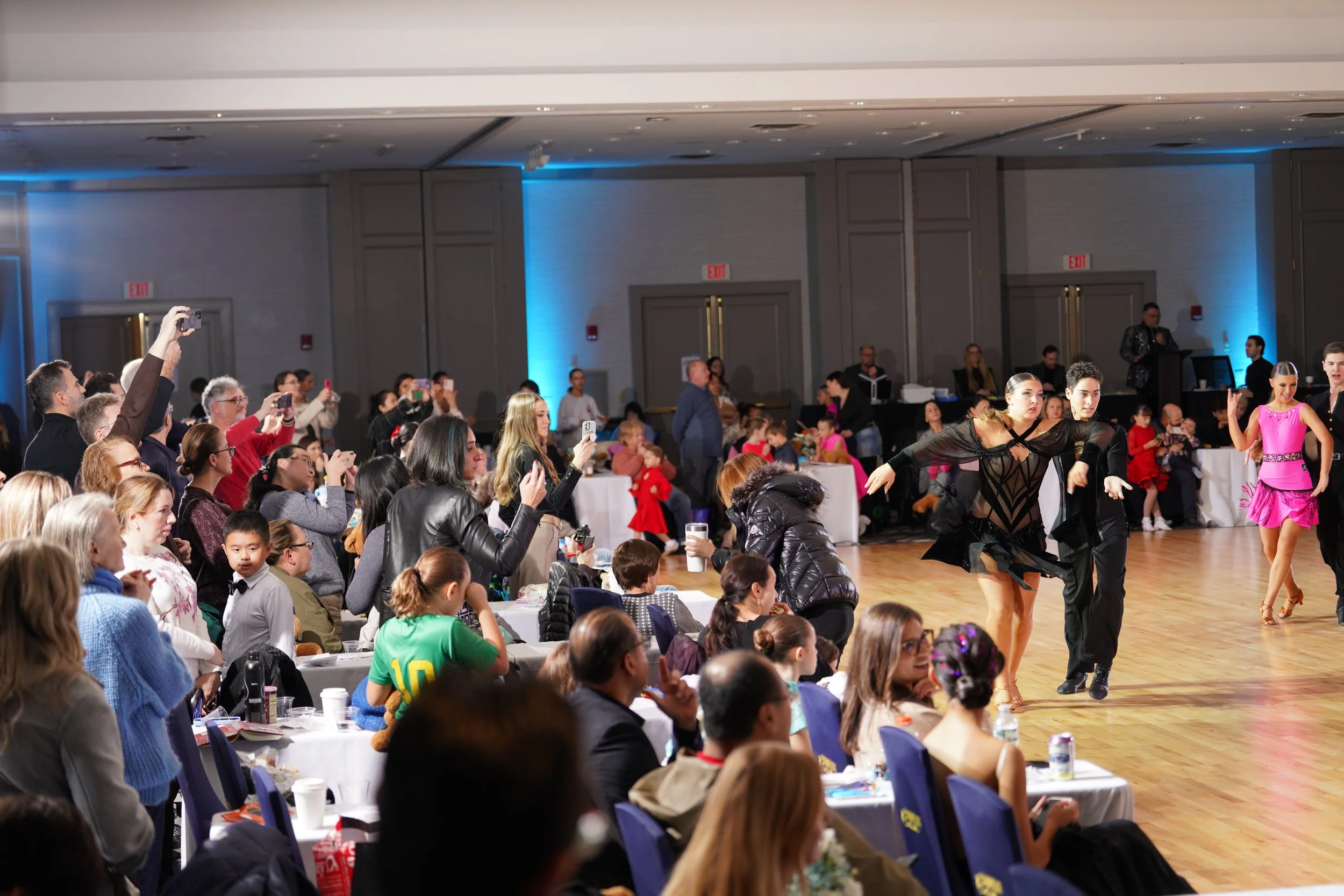
Image credit: Dance Production House
You've been invited to watch someone compete at the Commonwealth Classic, or maybe you're just curious about what ballroom dance competitions are all about. Either way, welcome! Ballroom competitions can seem intimidating if you've never been to one, but they're actually incredibly exciting events filled with athleticism, artistry, and drama. This guide will help you understand what you're watching and how to be a great spectator.
What Exactly Is a Ballroom Dance Competition?
Think of it as the Olympics meets "Dancing with the Stars" meets your local dance recital—all rolled into one weekend. Ballroom dance competitions bring together dancers of all ages and skill levels to perform choreographed routines in front of trained judges. Unlike performances where everyone dances the same routine, competitions feature unique partnerships, each bringing their own style and interpretation to the dances.
At Commonwealth Classic, you'll see everything from eight-year-old beginners taking their first nervous steps to professional couples who've dedicated their lives to the art form. It's a celebration of dance at every level.
The Main Event Categories
Pro/Am (Professional-Amateur)
This is what you see on "Dancing with the Stars." A professional dancer (the teacher/coach) partners with an amateur student. The student might be competing in their very first event or could be an advanced dancer who's been competing for years. Pro/Am is the heart of most competitions—these are everyday people pursuing their passion with dedication and courage.
What to watch for: The student's journey and progress. Many Pro/Am dancers are balancing families, careers, and life while pursuing this challenging hobby. Their joy and determination are contagious.
Amateur (Am/Am)
Two non-professional dancers competing together, often as a dedicated partnership. These might be married couples, dating partners, or dance partners who train together regularly. Amateur dancers often compete while holding down full-time jobs, making their commitment impressive.
What to watch for: Partnership chemistry and synchronization. When two non-professionals move as one, it's magic.
Professional (Pro/Pro)
These are the dancers who've made ballroom their career. They train full-time, teach students, travel the competition circuit, and represent the highest technical and artistic standards in the sport. Professional heats are thrilling to watch—the speed, precision, and artistry are breathtaking.
What to watch for: Technical excellence and innovation. These dancers push boundaries and set trends that the rest of the dance world follows.
Junior, Pre-Teen, and Youth
The future of ballroom dance! These young competitors (ages 6-18) are often surprisingly accomplished. Many train intensively and demonstrate maturity and musicality beyond their years.
What to watch for: Pure joy. Kids often dance with an uninhibited enthusiasm that's absolutely delightful. Plus, they're adorable in their mini versions of adult competition costumes.
The Dance Styles
Ballroom dance is divided into several distinct styles, each with its own music, technique, and character:
Rhythm (American Style)
Cha Cha: Playful, flirtatious, with sharp hip action
Rumba: Slow, romantic, sensual storytelling
Swing: Fast, energetic, fun! Think 1940s jitterbug energy
Bolero: Slow and rise-and-fall, like a romantic waltz with Latin flavor
Mambo: Fiery, fast-paced, with strong Cuban influence
Smooth (American Style)
Waltz: Elegant, sweeping, romantic—the classic ballroom dance
Tango: Dramatic, staccato, with sharp head movements
Foxtrot: Smooth, flowing, sophisticated
Viennese Waltz: Fast, whirling, romantic waltz
Standard/Ballroom (International Style)
Waltz: More formal than American Smooth waltz, with continuous rise and fall
Tango: Sharp, precise, with a unique walking quality
Foxtrot: Long, gliding movements across the floor
Quickstep: Fast, bouncy, full of energy
Viennese Waltz: Rapid rotation in a smaller frame than American style
Latin (International Style)
Cha Cha: Similar to American Rhythm but with different technique
Samba: Brazilian carnival energy with bouncing action
Rumba: Slower, more structured than American Rumba
Paso Doble: Spanish bullfight drama—powerful and theatrical
Jive: Like swing's faster, bouncier cousin
Nightclub
Hustle: Energetic partner dance with spins and turns
West Coast Swing: Smooth, elastic, musical
Argentine Tango: Improvised, intimate, dramatic
How Competitions Work
Heat Structure
Dances are organized into "heats"—groups of couples competing in the same category at the same time. A single heat might include 5-10 couples all dancing simultaneously on the floor. Judges watch everyone and mark their favorites.
Judging
Judges evaluate couples on:
Technique: Proper footwork, posture, and frame
Musicality: Dancing in time and interpreting the music
Performance: Confidence, character, and connection
Partnership: How well the couple works together (in Pro/Am, judges know to focus on the student)
Rounds
In larger events, there might be multiple rounds: preliminary, semi-final, and final. Judges narrow down the field until only the top couples remain for the final round.
Proficiency Levels
You'll hear terms like Newcomer, Bronze, Silver, and Gold. These represent technical levels, from beginner (Newcomer) to advanced (Gold). It's similar to belt colors in martial arts—everyone starts at the beginning and works their way up.
Competition Etiquette: How to Be a Great Spectator
Do:
Applaud generously. Every dancer who steps on that floor deserves recognition for their courage and hard work.
Cheer for your dancer. When their name is announced, let them hear your support!
Stay seated during heats. Wait for breaks to move around.
Silence your phone. Photos are usually okay, but turn off sounds and flashes.
Watch the whole heat. Even if your person has finished, the other dancers deserve your attention.
Ask questions quietly. The people around you are often happy to explain what's happening.
Don't:
Walk in front of judges. They need an unobstructed view.
Stand or block views during heats. Find your spot before the music starts.
Coach from the sidelines. Let the dancers focus.
Compare your dancer negatively to others. Every dancer is on their own journey.
Leave right after your dancer finishes. Stay for at least the rest of that heat.
What Makes a Great Performance?
As a spectator, you don't need to know perfect technique to recognize something special. Here's what to watch for:
Connection and Chemistry
Do the partners look like they're dancing together, or just executing steps next to each other? Great dancers create a conversation through movement.
Musicality
Are they dancing to the music or just moving in time? The best dancers interpret the music, hitting accents and phrasing naturally.
Confidence and Joy
You can see when a dancer is truly in the moment, enjoying themselves, and owning the floor. That energy is infectious.
Storytelling
Especially in dramatic dances like Tango, Rumba, or Paso Doble, watch for dancers who create a character or tell a story. It transforms technique into art.
Use of the Floor
Professional and advanced dancers use the entire competition floor, moving through space with purpose. Beginners often stay in one spot—it's something to watch for as dancers progress.
Why People Love Competition Dance
You might wonder why someone would put themselves through the stress, expense, and vulnerability of competition. Here's what competitors will tell you:
Personal Growth: Competition pushes you beyond what you think you're capable of. It builds confidence that carries into every area of life.
Community: The ballroom dance world is welcoming and supportive. Lifelong friendships form at competitions.
Artistic Expression: Where else can you dress up, perform to live music, and express yourself through movement?
Goal Setting: Having a competition on the calendar gives structure to training and a reason to push yourself.
Pure Joy: There's nothing quite like the feeling of executing a routine you've worked on for months, on a competition floor, in front of judges and spectators. It's addictive.
Making the Most of Your Spectator Experience
Arrive Early
Get there before the session starts so you can settle in, understand the flow, and be ready when your dancer competes.
Bring Snacks
Competition days are long. The venue will have concessions, but bringing water and light snacks is smart.
Dress Comfortably
Spectators can wear whatever they want, but most opt for smart casual. You'll be sitting for long periods, so comfort matters.
Take It All In
Don't just watch your dancer. Watch the professionals, the tiny juniors, the Silver-level students working their hearts out. Each heat tells a story.
Celebrate Afterward
Win or lose, place or not, your dancer just did something incredibly brave. Take them out to dinner, give them flowers, tell them you're proud. Competition is about the journey, not just the results.
The Commonwealth Classic Experience
At Commonwealth Classic, we've worked hard to create a spectator-friendly event. The Boston Marriott Burlington offers excellent sightlines, comfortable seating, and plenty of amenities. You'll see dancers from across New England and beyond, representing studios from local communities and major metropolitan areas.
The energy in the ballroom is electric. Between heats, you'll see coaches prepping students, dancers supporting each other, and families celebrating small victories. It's a community event as much as a competition.
Final Thoughts
Ballroom dance competitions are about more than perfect technique and winning trophies. They're about people challenging themselves, celebrating art and athleticism, and supporting each other through vulnerability and growth.
Your presence as a spectator matters. The applause, the cheers, the support from the audience—it's part of what makes competition special. So settle in, enjoy the show, and prepare to be amazed by what everyday people can accomplish when they follow their passion.
Welcome to Commonwealth Classic. We're so glad you're here.